Top Signs Your Home Needs Basement Waterproofing Now

A basement rarely fails all at once. Most of the time, it gives fair warning, just not in a dramatic way. A faint musty smell after rain. A chalky line creeping up the wall. Cardboard boxes that feel soft at the bottom. Homeowners often live with these clues for months, sometimes years, because the space still seems usable. Then one storm, one spring thaw, or one blocked downspout turns a manageable moisture issue into standing water, mold growth, or a damaged foundation wall.
That is why timing matters so much with Basement Waterproofing. The earlier you identify the signs, the more options you usually have, and the less disruptive the repair tends to be. Once moisture begins cycling through concrete, wood framing, insulation, and finished surfaces, the cost of waiting rises quickly. What starts as a damp corner can become ruined flooring, elevated indoor humidity, persistent odors, and structural repairs no one budgets for.
Basements are below grade, so they live in constant contact with surrounding soil. That soil expands when saturated, contracts when dry, and puts pressure on foundation walls throughout the year. Add hydrostatic pressure, poor grading, clogged gutters, older waterproofing membranes, or cracks in the wall or slab, and water starts finding pathways. It does not need a large opening. Hairline cracks, porous concrete, cove joints, and utility penetrations can be enough.
If you are trying to decide whether your home needs attention now or can wait, the following signs deserve a hard look.
That damp, earthy smell is often the first real warning
Many homeowners notice odor before they see actual water. A basement can look visually clean and still have a persistent smell that feels earthy, stale, or slightly sour. That odor often comes from moisture trapped in porous materials, especially wood framing, carpet backing, drywall paper, and stored fabric or cardboard. Concrete itself can hold and release moisture, which keeps the air in the space damp enough for mildew to form.
A useful test is to pay attention to timing. If the smell gets stronger after rain, during humid weather, or in early spring when the ground is saturated, that points to a moisture source rather than just poor air circulation. Dehumidifiers can reduce the symptom, but they do not solve the underlying water entry. I have seen homeowners run a dehumidifier year-round and assume the problem is under control, only to discover hidden mold behind finished walls when they renovate.
Odor alone does not tell you exactly where the water is coming from, but it often means the basement environment is damp enough to support biological growth. That is reason enough to investigate.
Efflorescence on the walls means water is moving through the masonry
Efflorescence is the white, powdery residue that appears on concrete or masonry surfaces. People sometimes mistake it for dust or old paint residue, but it is actually mineral deposits left behind when water moves through the wall and evaporates. That detail matters. Efflorescence is not just a cosmetic nuisance. It is proof that moisture is passing through the material.
In unfinished basements, it often appears as streaks on foundation walls, especially near floor level or along cracks. In block foundations, you may see it concentrated along mortar joints. On poured concrete walls, it can show up as broad, pale patches or vertical trails. If the deposits return after cleaning, that is a strong signal that water intrusion is ongoing.
Efflorescence by itself may not mean active puddling, but it means the wall is wet often enough to carry dissolved salts to the surface. That is exactly the kind of repeated moisture cycle that eventually damages finishes, encourages mold, and weakens confidence in the space. If you see it, Basement Waterproofing should be part of the conversation, not an afterthought.
Wall or floor cracks deserve context, not panic
Cracks are common in basements, but not all cracks mean the same thing. A thin vertical shrinkage crack in poured concrete is different from a horizontal crack bowing across a wall. One may be relatively stable and repairable from the interior. The other can signal pressure from saturated soil and a more serious structural concern.
The details matter. Width matters. Direction matters. Whether the crack is dry or actively seeping matters. So does movement. If a crack appears to widen over time, or if one side is displaced slightly relative to the other, that suggests more than a cosmetic issue.
A few signs call for prompt evaluation:
- Water seeping through a crack during or after rain
- Horizontal cracks in a foundation wall
- Stair-step cracks in block or brick foundations
- Cracks paired with bowing, leaning, or inward wall movement
- Floor cracks that stay damp or show mineral deposits
One homeowner I spoke with had ignored a hairline crack behind shelving for years because it seemed minor. The clue he missed was the moisture stain that kept returning after storms. By the time he called for help, https://chancecipl694.quantlynix.com/posts/how-to-tell-if-your-basement-waterproofing-is-failing the crack had become a regular entry point during heavy rain, and the lower section of drywall in the finished basement had to be removed. The repair was still manageable, but it would have been much simpler a year earlier.
Water stains and discoloration tell a story over time
Basements often reveal water history in subtle ways. Look for yellow-brown stains on drywall, darkened baseboards, peeling paint, bubbled wall coverings, or tide marks on concrete. Even if the area feels dry when you inspect it, staining suggests previous moisture, and previous moisture tends to become repeat moisture unless something changed significantly.
Pay special attention to corners, the wall-floor joint, and the area around windows. Basement windows are common leak points because of failing seals, poor wells, clogged drains, or exterior grading that directs water toward the opening. Staining below a window often leads people to replace the window itself, but the real issue may be outside drainage or hydrostatic pressure around the foundation.
Discoloration on wood columns or sill plates can also be revealing. If the bottom of a post looks darker than the upper portion, or if trim near the slab edge is swelling, moisture is likely wicking upward. Concrete may seem solid and dry to the touch, yet still transfer enough moisture to damage adjacent materials.
Puddles are obvious, but damp edges matter just as much
Standing water gets attention fast, and rightly so. If you see puddles on the basement floor, water entry is already active enough to overwhelm normal evaporation. But many wet basements do not start with puddles in the middle of the room. They start with dampness at the perimeter, especially where the floor slab meets the wall. This is called the cove joint, and it is one of the most common places for seepage.
When groundwater builds outside the foundation, pressure forces water through the path of least resistance. Often that path is not a crack in the wall but the seam between wall and slab. Homeowners may notice a thin dark line, damp dust, or recurring moisture in the same corner after storms. That pattern is easy to dismiss because it dries on its own. Still, the underlying pressure remains.
A finished basement can hide this sign for a long time. Carpet tack strips rust. Vinyl plank edges curl. Baseboards loosen. You may first notice it because a storage bin develops mold on the underside or a piece of furniture starts smelling musty. Whenever moisture repeatedly shows up at the perimeter, waterproofing and drainage should be evaluated before finishes trap more damage.
Mold, mildew, and indoor air complaints often start downstairs
Basement moisture does not stay in the basement. Air moves through the house, and what happens below grade affects upper floors more than many people realize. A damp basement can contribute to elevated humidity throughout the home, a lingering musty smell in closets, and even condensation on windows in cooler months.
Visible mold may appear on drywall, joists, stored paper goods, or the backs of furniture placed against foundation walls. Mildew can show as spotting on painted surfaces or a fuzzy film on organic materials. Some homeowners first connect the dots when allergies feel worse at home than elsewhere, especially in summer.
Not every mold issue comes from bulk water intrusion. Sometimes the source is chronic humidity and cool surfaces. But chronic humidity in a basement is still a waterproofing concern because it usually reflects poor moisture control, either from water vapor transmission through concrete, direct seepage, or inadequate exterior drainage.
There is also a practical side to this. Mold remediation becomes more complicated when the moisture source remains unresolved. Cleaning visible growth without fixing the water problem is a short-lived win.
Your sump pump runs too often, or not at all when it should
Homes with sump systems already have a clue built in: at some point, someone recognized the basement had water management needs. A sump pump that cycles frequently during rain may be doing its job, but if it runs constantly, struggles to keep up, or discharges and then immediately refills, it may be signaling a broader drainage issue.
On the other hand, a sump pit that stays bone dry during weather that previously activated it can also be worth investigating. Float switches fail. Pumps burn out. Check valves wear out. Discharge lines clog or freeze. I have seen basements take on water simply because a reliable pump quietly stopped working between storm seasons.
If you depend on a sump system, inspect it before you need it. Pour water into the pit and confirm the pump activates, discharges, and shuts off properly. Listen for unusual noise. Check where the discharge water ends up outside. If it is emptying too close to the foundation, the system may be recycling water back toward the basement.
Doors that stick and walls that feel slightly off can point to movement
Not every sign of basement trouble is wet. Moisture pressure outside the foundation can lead to wall movement, and wall movement can show up in ways that seem unrelated at first. Basement doors that rub, windows that bind, trim that separates at joints, or a floor above that feels subtly uneven can all connect back to foundation stress.
This is where judgment matters. Houses settle. Seasonal shifts happen. A single sticky door does not automatically mean urgent waterproofing. But if these symptoms appear along with cracks, dampness, or visible wall bowing, the pattern becomes more concerning. Water-saturated soil is heavy, and repeated pressure cycles can push inward over time, especially on older block foundations.
A bowed wall should not be treated as a cosmetic issue. Even if there is no active leak at the moment, the conditions that cause wall movement often involve water management failures outside the home. Basement Waterproofing in these cases is often part of a larger stabilization strategy, not a standalone fix.
Finished basements hide damage until repairs get expensive
Unfinished basements are blunt. They show you the wall, the slab, and the leaks. Finished basements are polite. They conceal what is going on until the bill gets larger.
Drywall can absorb moisture at the bottom edge long before staining becomes visible. Fiberglass insulation can hold dampness while the outer wall still looks intact. Luxury vinyl flooring is more moisture tolerant than carpet, but it is not immune to failure if the subfloor or slab remains wet. Wood trim swells, paint blisters, adhesives let go, and metal framing components can corrode in persistently damp conditions.
If your basement is finished, inspect it with more skepticism. Pull stored items away from exterior walls. Check behind furniture. Look at the base of drywall in utility areas. Lift a removable floor vent cover if one exists and see whether the surrounding cavity looks clean and dry. Small clues matter more in finished spaces because they are often the only clues you get before opening walls.
Water outside the house often explains what is happening inside
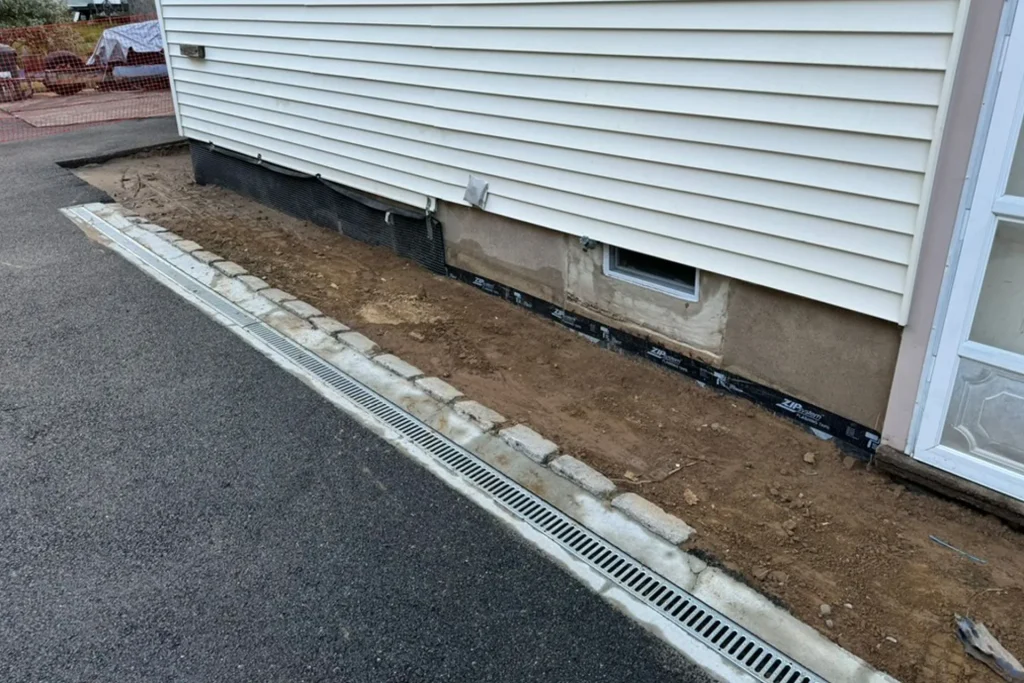
Many basement water problems begin outdoors. That does not mean the cure is always simple, but exterior conditions are often part of the diagnosis. Short downspout extensions, clogged gutters, negative grading, settling backfill near the foundation, and hardscapes that pitch inward can direct large volumes of water toward the basement wall.
A heavy rain can dump hundreds of gallons off a roof in a short period. If that water lands right next to the foundation, the soil becomes saturated and pressure rises fast. During freeze-thaw cycles, the problem can get worse as soil movement opens new pathways and stresses joints.
If you are noticing basement warning signs, these are the first areas worth checking:
- Gutters overflowing or leaking at seams
- Downspouts discharging too close to the house
- Soil sloping toward the foundation instead of away from it
- Water pooling near basement window wells or walkout doors
- Mulch beds or landscaping trapping water against the wall
Simple exterior corrections can sometimes reduce or even stop minor seepage. But when water is already entering regularly, surface fixes may not be enough on their own. Homes with high water tables, older foundations, clay-heavy soils, or significant hydrostatic pressure often need a more comprehensive waterproofing approach.
Seasonal patterns are more revealing than one isolated storm
A lot of homeowners wait for a dramatic flood to justify action. That is understandable, but not always wise. Repeated mild symptoms often tell you more than one extreme event. If the basement smells musty every spring, gets damp after long summer storms, or shows stains after snowmelt, those recurring patterns are valuable data.
Spring tends to expose groundwater and thaw-related issues. Summer thunderstorms reveal roof drainage and grading failures. Fall is useful for seeing how blocked gutters affect runoff. Winter can expose condensation problems, frozen discharge lines, and hidden air leakage that cools foundation surfaces enough for moisture to collect.
Keeping a simple log can help. Note when you smell dampness, where you see moisture, how long it takes to dry, and what the weather was doing. That information helps contractors separate one-off incidents from chronic moisture behavior. It also helps prevent misdiagnosis, which is more common than people think. Not every wet basement needs the same solution, and a repair that ignores the real water path tends to disappoint.
Why delay usually costs more than homeowners expect
Water rarely improves on its own. Some seasons are drier than others, which can make the problem seem resolved, but the next wet cycle usually proves otherwise. Meanwhile, moisture keeps working on absorbent materials, metal fasteners, and air quality.
The cost of delay is not just the repair itself. It shows up in ruined storage, reduced usable living space, recurring cleanup, mold remediation, damaged finishes, and lower confidence from buyers if you sell. Experienced home inspectors notice water history quickly, even when the basement is dry on the day of inspection. Efflorescence, patched drywall, fresh paint in isolated spots, rusted appliances, and moisture staining all raise questions.
From a practical standpoint, the best time to address a basement moisture problem is usually before the next high-water season, not after it. Waterproofing work is easier to schedule when it is planned rather than urgent, and homeowners make better decisions when they are not standing in water.
What a proper assessment should sort out
A good basement evaluation does more than confirm that water is present. It should distinguish between seepage, condensation, plumbing leaks, and runoff-related intrusion. It should consider the age and type of foundation, the condition of exterior drainage, the role of the sump system if there is one, and whether signs of structural movement are present.
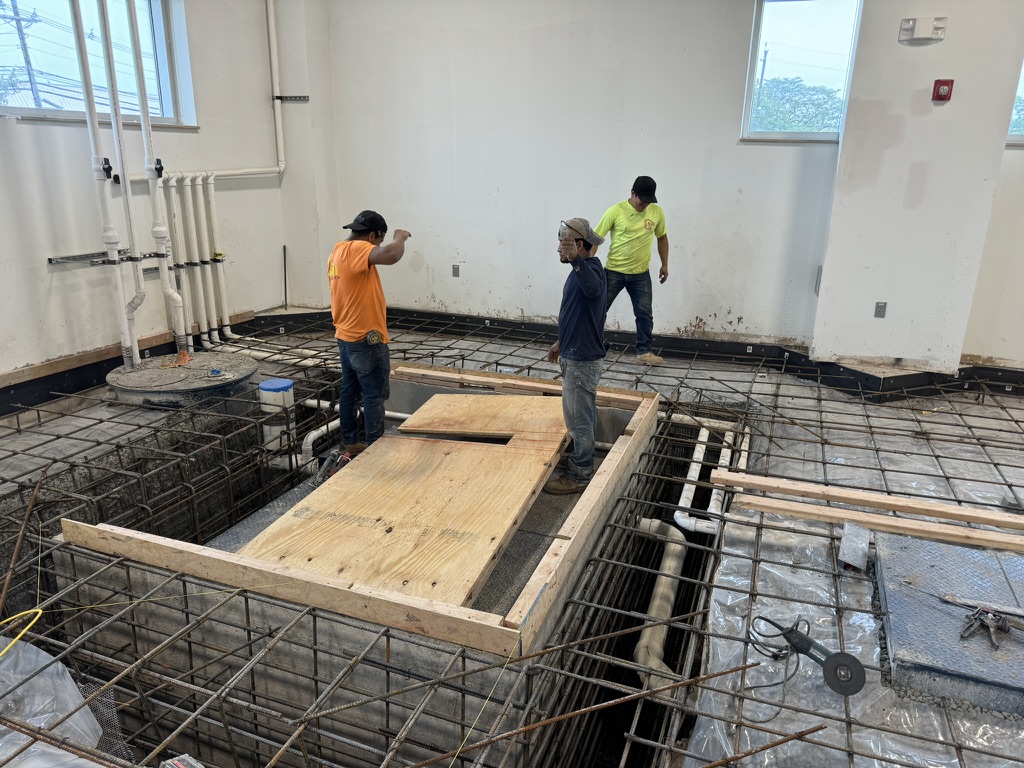
There is no single best remedy for every home. Sometimes improving grading and extending downspouts makes a meaningful difference. Sometimes an interior drainage system and sump are the practical answer. In other cases, exterior excavation and membrane work are warranted, especially when access is feasible and the failure is along an exposed wall. Crack injection may be effective for a specific poured wall crack, but it will not solve broad hydrostatic pressure around the entire perimeter.
That is why the warning signs matter so much. They tell you whether the issue is likely local, seasonal, surface-driven, pressure-driven, or part of a larger foundation problem. The sooner you read those signs accurately, the more control you keep over the solution.
When “watch it for now” makes sense, and when it does not
There are edge cases. A very minor stain from a long-resolved plumbing leak is not automatically a sign you need full Basement Waterproofing. A dry, stable hairline shrinkage crack without movement or seepage may simply need monitoring. A humid basement in midsummer can sometimes be improved significantly with better ventilation control and dehumidification, especially if there is no evidence of actual intrusion.
But “watch it” only makes sense when you truly know what you are watching. If you have active seepage, recurring odor after rain, returning efflorescence, damp cove joints, visible mold, or any sign of wall movement, waiting is usually a gamble. And it is a gamble stacked against you, because the next storm gets a vote.
A basement does not need to flood to justify action. It only needs to show a consistent pattern of moisture where moisture should not be. Once that pattern appears, the smart move is to investigate, confirm the source, and fix the problem before the space, and the repair bill, grow larger.
ARD Waterproofing
98 Smull Ave, West Caldwell, NJ 07006, United States
+1 917-691-8411
FAQ About Basement Waterproofing
Can you 100% Waterproof a Basement in West Caldwell?
A properly designed system can substantially reduce basement water intrusion, but no method can promise protection against every flood, equipment failure, or future change in site conditions. The first step is identifying whether moisture comes from surface runoff, groundwater, plumbing, or condensation. Solutions may include grading and gutter improvements, drainage, foundation repairs, and a sump system. Review the specific coverage and exclusions of any written warranty.
How much does it cost to professionally waterproof a basement in NJ?
There is no single price that fits every basement. Cost depends on the cause of the leak, the area needing work, access, excavation requirements, drainage design, sump equipment, and restoration of disturbed finishes or landscaping. Request an on-site assessment and an itemized written estimate that explains the scope, exclusions, and maintenance requirements before comparing proposals.
How long does foundation waterproofing last in West Caldwell, NJ?
Service life varies with the waterproofing materials, installation quality, soil and water conditions, and maintenance. Drainage components and pumps may require servicing or replacement even when other parts of the system remain functional. Keep gutters, drainage outlets, and sump equipment maintained, and have recurring leaks or changes in foundation condition assessed. Ask for product-specific expectations and written warranty terms rather than relying on one lifespan for the entire system.